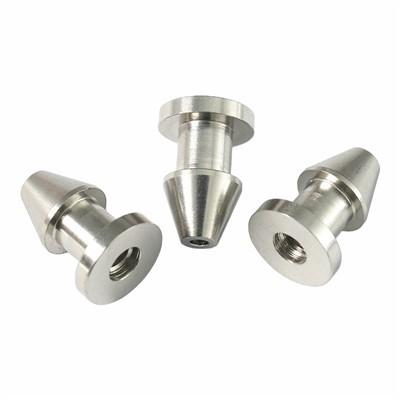
Hey there! As a supplier of stainless steel turned parts, I’ve seen firsthand how crucial it is to pick the right lubricant for machining these parts. Stainless steel is a tough nut to crack – it’s hard, heat-resistant, and prone to work hardening. That’s why choosing the appropriate lubricant can make or break your machining process. In this blog, I’ll share some tips on how to select the best lubricant for machining stainless steel turned parts. Stainless Steel Turned Parts
Understanding the Challenges of Machining Stainless Steel
Before we dive into lubricant selection, let’s talk about the challenges of machining stainless steel. Stainless steel has a high strength and low thermal conductivity, which means it generates a lot of heat during machining. This heat can cause tool wear, surface damage, and dimensional inaccuracies in the turned parts. Additionally, stainless steel is prone to work hardening, which can make it even more difficult to machine.
Types of Lubricants for Machining Stainless Steel
There are several types of lubricants available for machining stainless steel, each with its own advantages and disadvantages. Here are some of the most common types:
1. Cutting Fluids
Cutting fluids are the most widely used lubricants in machining. They come in two main types: water-soluble and neat oils.
-
Water-Soluble Cutting Fluids: These fluids are mixed with water and offer good cooling and lubrication properties. They are also cost-effective and environmentally friendly. Water-soluble cutting fluids can be further divided into three subtypes: emulsions, semi-synthetics, and synthetics.
- Emulsions: Emulsions are made by mixing oil with water and an emulsifier. They provide good lubrication and cooling, but they can be prone to bacterial growth if not properly maintained.
- Semi-Synthetics: Semi-synthetics are a blend of synthetic and mineral oils. They offer better lubrication and cooling than emulsions and are more resistant to bacterial growth.
- Synthetics: Synthetics are made entirely of synthetic chemicals. They provide excellent cooling and lubrication, are highly resistant to bacterial growth, and have a long service life. However, they are more expensive than emulsions and semi-synthetics.
-
Neat Oils: Neat oils are pure oils that do not require mixing with water. They offer excellent lubrication and are suitable for heavy-duty machining operations. However, they have poor cooling properties and can be messy to work with.
2. Solid Lubricants
Solid lubricants are used in situations where liquid lubricants are not practical. They are typically applied as a coating on the tool or workpiece. Some common solid lubricants include graphite, molybdenum disulfide, and tungsten disulfide. Solid lubricants offer good lubrication and can reduce friction and wear. However, they can be difficult to apply and may not provide as much cooling as liquid lubricants.
3. Synthetic Lubricants
Synthetic lubricants are made from synthetic chemicals and offer excellent performance in terms of lubrication, cooling, and oxidation resistance. They are suitable for high-speed machining operations and can help extend tool life. However, they are more expensive than other types of lubricants.
Factors to Consider When Choosing a Lubricant
When choosing a lubricant for machining stainless steel turned parts, there are several factors to consider. Here are some of the most important ones:
1. Machining Operation
The type of machining operation you are performing will have a significant impact on the lubricant you choose. For example, if you are performing a high-speed turning operation, you will need a lubricant that can provide good cooling and lubrication to prevent tool wear and surface damage. On the other hand, if you are performing a heavy-duty milling operation, you may need a lubricant that can withstand high pressures and temperatures.
2. Tool Material
The tool material you are using will also affect the lubricant you choose. Different tool materials have different requirements for lubrication and cooling. For example, carbide tools are more heat-resistant than high-speed steel tools and may require a lubricant with better cooling properties.
3. Workpiece Material
The type of stainless steel you are machining will also play a role in lubricant selection. Different grades of stainless steel have different properties, such as hardness, strength, and ductility. For example, austenitic stainless steels are more difficult to machine than ferritic stainless steels and may require a lubricant with better lubrication properties.
4. Environmental Factors
Environmental factors, such as temperature, humidity, and air quality, can also affect the performance of the lubricant. For example, in a hot and humid environment, a water-soluble cutting fluid may be more prone to bacterial growth. In a dusty environment, a solid lubricant may be more suitable.
5. Cost
Cost is always a factor to consider when choosing a lubricant. You want to choose a lubricant that provides good performance at a reasonable cost. However, you should also consider the long-term costs, such as tool life and maintenance costs.
Tips for Using Lubricants Effectively
Once you have chosen the right lubricant for your machining operation, it’s important to use it effectively. Here are some tips:
1. Follow the Manufacturer’s Instructions
Always follow the manufacturer’s instructions for using the lubricant. This includes the recommended concentration, application method, and maintenance procedures.
2. Keep the Lubricant Clean
Keep the lubricant clean by removing chips, debris, and other contaminants. This will help prevent tool wear and surface damage.
3. Monitor the Lubricant’s Performance
Monitor the lubricant’s performance regularly by checking the tool wear, surface finish, and dimensional accuracy of the turned parts. If you notice any problems, adjust the lubricant’s concentration or application method.
4. Dispose of the Lubricant Properly

Dispose of the lubricant properly according to local regulations. This will help protect the environment and prevent pollution.
Conclusion
Aluminum Turned Parts Choosing the right lubricant for machining stainless steel turned parts is essential for achieving good results. By understanding the challenges of machining stainless steel, the types of lubricants available, and the factors to consider when choosing a lubricant, you can make an informed decision. Remember to follow the manufacturer’s instructions, keep the lubricant clean, monitor its performance, and dispose of it properly. If you have any questions or need help choosing the right lubricant for your machining operation, don’t hesitate to contact us. We’re here to help you get the best results.
References
- ASM Handbook, Volume 16: Machining, ASM International
- Machining of Metals: Theory and Applications, by Paul DeGarmo, J. T. Black, and Ronald Kohser
- Metalworking Fluids: Selection, Maintenance, and Disposal, by John E. Allison
Huizhou Quanyi Precision Hardware Products Co., Ltd.
We’re well-known as one of the leading stainless steel turned parts manufacturers and suppliers in China, featured by quality products and good service. Please rest assured to buy customized stainless steel turned parts made in China here from our factory. Contact us for more details.
Address: Building A10, 7th Floor, Zhongchuangyingke 5G Industrial Park, Zhonghan Industrial Park, Tonghu Town, Huizhou City
E-mail: info@qycncturning.com
WebSite: https://www.qycncturning.com/
