As a supplier of dry type transformers, I’ve witnessed firsthand the critical role these devices play in various electrical systems. One of the most significant concerns in the operation of dry type transformers is the impact of short – circuits. In this blog, I’ll delve into the effects of short – circuits on dry type transformers, sharing insights based on my years of experience in the industry. Dry Type Transformer

Understanding Short – Circuits in Dry Type Transformers
A short – circuit occurs when there is an unintended low – resistance connection between two points in an electrical circuit. In the context of a dry type transformer, this can happen due to a variety of reasons, such as insulation breakdown, mechanical damage, or external factors like lightning strikes. When a short – circuit takes place, a large amount of current flows through the transformer, far exceeding its normal operating current.
Mechanical Stress
One of the immediate impacts of a short – circuit on a dry type transformer is the mechanical stress it imposes on the windings. The high – magnitude short – circuit current generates strong electromagnetic forces. These forces can cause the windings to move, deform, or even break. The windings in a dry type transformer are designed to withstand normal operating conditions, but the sudden and intense forces during a short – circuit can exceed their mechanical limits.
For example, the axial and radial forces acting on the windings can lead to the displacement of turns. This displacement can disrupt the electrical insulation between the turns, increasing the risk of further short – circuits or insulation failure. In severe cases, the windings may be physically damaged, requiring costly repairs or even replacement of the entire transformer.
Thermal Effects
Short – circuits also have a significant impact on the temperature of the dry type transformer. The large current flowing through the windings during a short – circuit causes a rapid increase in heat generation. The heat is generated due to the I²R losses (where I is the current and R is the resistance of the windings).
If the short – circuit persists for a relatively long time, the excessive heat can damage the insulation materials of the transformer. The insulation is crucial for preventing electrical breakdown and ensuring the safe operation of the transformer. High temperatures can cause the insulation to degrade, lose its dielectric properties, and eventually fail. This can lead to short – circuits between different parts of the transformer, further exacerbating the problem.
Insulation Degradation
Insulation degradation is a long – term consequence of short – circuits in dry type transformers. Even if the short – circuit is cleared quickly, the high – energy event can cause microscopic damage to the insulation. Over time, this damage can accumulate, reducing the insulation’s effectiveness and increasing the risk of future failures.
The insulation materials in dry type transformers are typically made of materials such as epoxy resin or fiberglass. These materials have specific temperature and electrical stress limits. A short – circuit can push these materials beyond their limits, leading to partial discharges, tracking, and other forms of insulation damage.
Impact on Transformer Performance
The mechanical and thermal effects of short – circuits can significantly impact the performance of a dry type transformer. The damage to the windings and insulation can cause changes in the electrical characteristics of the transformer, such as increased resistance, reduced efficiency, and altered voltage regulation.
For instance, if the windings are deformed, the magnetic coupling between the primary and secondary windings may be affected. This can lead to a decrease in the transformer’s ability to transfer power efficiently. Additionally, the insulation degradation can cause leakage currents, which not only waste energy but also pose a safety hazard.
Protection and Mitigation
To minimize the impact of short – circuits on dry type transformers, several protection and mitigation measures can be implemented. One of the most common methods is the use of protective devices such as circuit breakers and fuses. These devices are designed to detect short – circuits and quickly interrupt the flow of current, reducing the duration and magnitude of the short – circuit.
Another important aspect is the proper design and construction of the dry type transformer. The windings should be designed to withstand the mechanical forces generated during a short – circuit. This can be achieved through the use of appropriate winding configurations, support structures, and insulation materials.
Regular maintenance and testing are also crucial for ensuring the long – term reliability of dry type transformers. Insulation resistance testing, partial discharge testing, and thermal imaging can help detect early signs of damage and allow for timely repairs.
Our Role as a Supplier
As a dry type transformer supplier, we understand the importance of providing high – quality products that can withstand short – circuits. We use advanced design and manufacturing techniques to ensure the mechanical and electrical integrity of our transformers. Our transformers are designed with robust windings and high – quality insulation materials to minimize the impact of short – circuits.
We also offer comprehensive after – sales support, including installation, maintenance, and repair services. Our team of experienced engineers can provide technical advice on protection and mitigation measures to help our customers safeguard their transformers against short – circuits.
Conclusion
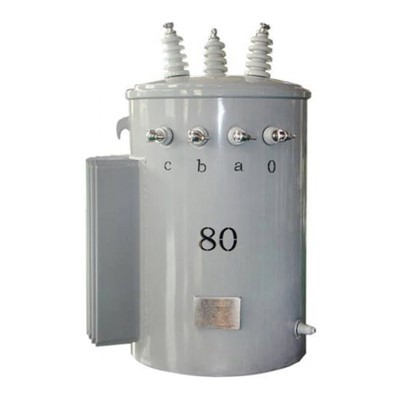
In conclusion, short – circuits can have a significant impact on dry type transformers, causing mechanical stress, thermal damage, insulation degradation, and performance issues. However, with proper protection and mitigation measures, the risks associated with short – circuits can be minimized. As a dry type transformer supplier, we are committed to providing our customers with reliable and high – quality products that can withstand the challenges of short – circuits.
Structural Transformer If you are in the market for dry type transformers or need advice on protecting your existing transformers from short – circuits, we encourage you to reach out to us. Our team of experts is ready to assist you in finding the right solution for your specific needs.
References
- Electric Power Systems: Analysis and Control by Claudio A. Cañizares
- Transformer Engineering: Design, Technology, and Diagnostics by G. S. Sidhu
Nantong Yawei New Energy Technology Co., Ltd.
As one of the most professional dry type transformer manufacturers and suppliers in China, we’re featured by quality products and good service. Please rest assured to wholesale durable dry type transformer made in China here from our factory. Customized orders are welcome.
Address: Room 28-101, Building 27 and 28, No.333 Kaiyuan Avenue, Sunzhuang Subdistrict, Hai’an City, Nantong City, Jiangsu Province, China
E-mail: admin@nantongyawei.com
WebSite: https://www.nantongyawei.com/
