Using an unsterilized dental autoclave can have far – reaching and severe implications, not only for the dental practice but also for the patients and the broader community. As a dental autoclave supplier, I’ve seen firsthand the importance of proper sterilization and the dire consequences that can occur when shortcuts are taken. Dental Autoclave

Health Risks to Patients
The most immediate and significant implication of using an unsterilized dental autoclave is the risk of transmitting infections to patients. Dental instruments come into direct contact with the oral cavity, which is a highly sensitive and vulnerable area. Microorganisms such as bacteria, viruses, and fungi can thrive in the mouth, and if dental tools are not properly sterilized, they can introduce these pathogens from one patient to another.
Bacteria like Streptococcus mutans, which is commonly associated with dental caries, can be easily transferred if the dental instruments are contaminated. Additionally, more serious pathogens such as hepatitis B and C viruses, as well as the human immunodeficiency virus (HIV), are a real concern. These viruses can cause chronic and life – threatening conditions. A single reuse of an unsterilized instrument can potentially expose a patient to these dangerous pathogens, leading to long – term health problems and even death in some cases.
Fungal infections are also a risk. Candida albicans, for example, can cause oral thrush, which is an uncomfortable and sometimes painful condition, especially for immunocompromised patients. Using an unsterilized dental autoclave can spread this fungus, causing further complications for patients with weakened immune systems.
Impact on Dental Practice Reputation
The reputation of a dental practice is one of its most valuable assets. Once news spreads that a practice has been using an unsterilized dental autoclave, it can quickly lose the trust of its patients. In today’s digital age, negative reviews and word – of – mouth can spread like wildfire. A single incident of a patient contracting an infection due to unsterilized instruments can lead to a flood of negative reviews on online platforms such as Google, Yelp, and social media.
This loss of reputation can have a significant financial impact on the dental practice. Patients may be reluctant to visit a practice that has a history of poor sterilization practices. They may choose to go to a competitor instead, resulting in a loss of revenue and potentially forcing the practice to close its doors. Moreover, legal actions can be taken against the dental practice, which can lead to hefty fines and legal fees.
Regulatory and Legal Consequences
Dental practices are subject to strict regulations regarding instrument sterilization. These regulations are in place to protect the health and safety of patients. Using an unsterilized dental autoclave is a clear violation of these regulations. Regulatory bodies such as the Occupational Safety and Health Administration (OSHA) and the Centers for Disease Control and Prevention (CDC) have specific guidelines for dental instrument sterilization.
If a dental practice is found to be using an unsterilized autoclave, it can face severe penalties. OSHA can issue citations and fines for non – compliance with safety regulations. The amount of the fine can vary depending on the severity of the violation and the history of the practice. Additionally, state dental boards can take disciplinary action against the dentists and dental staff involved. This can include suspension or revocation of their licenses, which can end their careers in dentistry.
Legal consequences may also arise from patient lawsuits. If a patient can prove that they contracted an infection due to the use of unsterilized dental instruments, they can sue the dental practice for medical expenses, pain and suffering, and lost wages. These lawsuits can be extremely costly and time – consuming for the dental practice.
Impact on the Community
The use of an unsterilized dental autoclave in a dental practice can have a broader impact on the community. When an infection is spread from one patient to another, it can potentially start an outbreak within the community. This is especially concerning in the case of highly contagious diseases such as hepatitis or influenza.
The community may also lose faith in the dental profession as a whole. If people hear about a dental practice using unsterilized instruments, they may become hesitant to visit the dentist at all. This can lead to a decrease in preventive dental care, which can in turn lead to an increase in dental diseases and other oral health problems within the community.
The Importance of Using a High – Quality Dental Autoclave
As a dental autoclave supplier, I understand the importance of providing high – quality autoclaves that can effectively sterilize dental instruments. A good dental autoclave should be able to reach the appropriate temperature and pressure to kill all microorganisms, including spores, which are the most resistant form of bacteria.
Modern dental autoclaves are designed with advanced features such as automatic cycles, temperature and pressure sensors, and self – diagnostic systems. These features ensure that the sterilization process is consistent and reliable. Additionally, they are made of high – quality materials that can withstand the harsh conditions of the sterilization process, ensuring a long lifespan.
Regular maintenance and calibration of dental autoclaves are also crucial. This ensures that the autoclave continues to function properly and provides effective sterilization. As a supplier, we offer maintenance and calibration services to our customers to ensure that their autoclaves are always in top – notch condition.
How Our Dental Autoclaves Can Mitigate These Risks
Our dental autoclaves are designed to meet the highest standards of sterilization. They have been rigorously tested to ensure that they can effectively eliminate a wide range of microorganisms, including the most resistant ones. The automatic cycles in our autoclaves are pre – programmed to follow the best practices recommended by regulatory bodies such as the CDC.
The temperature and pressure sensors in our autoclaves continuously monitor the sterilization process, ensuring that the instruments are exposed to the right conditions for the appropriate amount of time. If there is any deviation from the optimal conditions, the autoclave will alert the user, allowing them to take corrective action immediately.
Our self – diagnostic systems also help to identify any potential issues with the autoclave before they become major problems. This proactive approach to maintenance ensures that the autoclave is always functioning at its best, reducing the risk of using unsterilized dental instruments.
Conclusion
In conclusion, the implications of using an unsterilized dental autoclave are far – reaching and extremely serious. From the health risks to patients and the damage to the dental practice’s reputation, to the regulatory and legal consequences and the impact on the community, the costs of not using a properly functioning autoclave are too high.
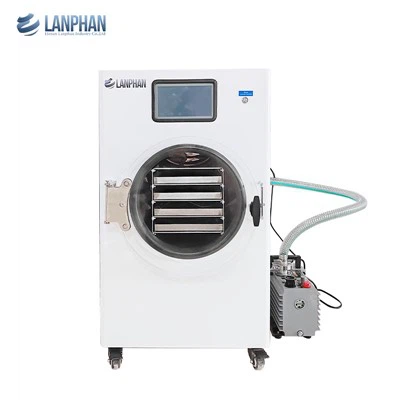
As a dental autoclave supplier, we are committed to providing high – quality products and services that can help dental practices avoid these risks. Our autoclaves are designed to ensure effective sterilization, and our maintenance and calibration services help to keep them in optimal condition.
Spray Dryer If you are a dental professional looking for a reliable and high – quality dental autoclave, we encourage you to get in touch with us. We can provide you with more information about our products and services and help you choose the right autoclave for your practice. Let’s work together to ensure the health and safety of your patients and the success of your dental practice.
References
- Centers for Disease Control and Prevention (CDC). Guidelines for Infection Control in Dental Health – Care Settings.
- Occupational Safety and Health Administration (OSHA). Dental Industry Safety and Health Topics.
- American Dental Association (ADA). Standards for Infection Control in Dental Settings.
Henan Lanphan Technology Co., Ltd.
We’re well-known as one of the leading dental autoclave manufacturers and suppliers in China. With abundant experience, we warmly welcome you to buy high quality dental autoclave for sale here from our factory. For price consultation, contact us.
Address: Room 801, East Tower, Xiyuan Square, Zhongyuan District, Zhengzhou City, Henan Province
E-mail: lanphantech@lanphan.com
WebSite: https://www.lanphantech.com/
