Can sheep hurdles be used on slopes? This is a question that I, as a supplier of sheep hurdles, often get asked by farmers and livestock owners. In this blog post, I’ll delve into the technical and practical aspects of using sheep hurdles on slopes, weighing the benefits against the challenges to help you make an informed decision. Sheep Hurdles
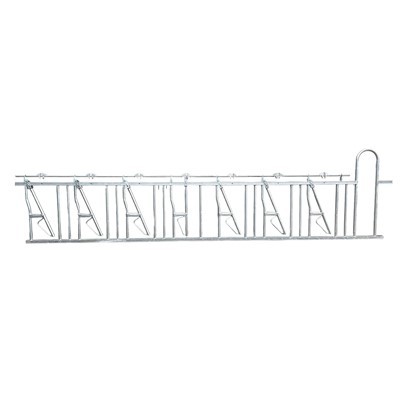
Understanding Sheep Hurdles
Sheep hurdles are essential tools in modern livestock management. They are portable, freestanding barriers that can be easily repositioned to create enclosures, control the movement of sheep, and manage grazing areas. These barriers are typically made from materials like wood, metal, or plastic, each with its own set of advantages. Wooden hurdles are traditional, providing a natural look and good insulation. Metal hurdles are durable and strong, able to withstand harsh weather and rough use. Plastic hurdles are lightweight and corrosion – resistant, making them easy to handle.
Advantages of Using Sheep Hurdles on Slopes
Grazing Management
One of the primary benefits of using sheep hurdles on slopes is improved grazing management. Slopes often have different vegetation growth patterns compared to flat areas. By using sheep hurdles, you can section off specific parts of the slope, allowing sheep to graze in a controlled manner. This helps prevent over – grazing in some areas while ensuring that all the available forage is utilized. For example, you can move the hurdles periodically to direct the sheep to different patches of grass, promoting more even growth and better soil health.
Erosion Control
Sheep grazing on slopes can actually contribute to erosion control when managed properly with sheep hurdles. The controlled movement of sheep means that the trampling effect is distributed more evenly across the slope. Instead of concentrated areas of over – trampling that can lead to soil displacement and erosion, the hurdles help to spread the pressure. Additionally, the sheep’s grazing helps to keep the vegetation at a manageable height, which further stabilizes the soil and reduces the risk of erosion.
Space Utilization
Slopes are often under – utilized in traditional livestock management. Many farmers find it challenging to manage sheep on these uneven terrains. However, sheep hurdles can transform these areas into productive grazing spaces. You can create multiple small enclosures on the slope, making the most of the available land and increasing the overall carrying capacity of your farm.
Challenges of Using Sheep Hurdles on Slopes
Stability
The most significant challenge when using sheep hurdles on slopes is ensuring their stability. Gravity can cause the hurdles to shift, especially on steeper inclines. If the hurdles are not properly secured, they may topple over, allowing the sheep to escape. To address this issue, you need to choose the right type of hurdles. For example, metal hurdles with a lower center of gravity and wider base are generally more stable on slopes. You can also use additional anchoring methods such as stakes or weights to keep the hurdles in place.
Installation
Installing sheep hurdles on slopes is more difficult than on flat ground. The uneven surface makes it harder to set up the hurdles in a straight line and at the correct height. You may need to adjust the legs of the hurdles to accommodate the slope, which requires more time and effort. Moreover, the terrain may be rocky or uneven, making it challenging to drive stakes into the ground for anchoring.
Accessibility
Moving and repositioning sheep hurdles on slopes can be physically demanding. The incline makes it harder to carry and maneuver the hurdles, especially if they are large or heavy. This can slow down the process of changing grazing areas, which may impact the efficiency of your livestock management.
Technical Considerations
Angle of the Slope
The angle of the slope is a crucial factor in determining whether sheep hurdles can be used effectively. For gentle slopes with an incline of less than 15 degrees, most types of sheep hurdles can be used with proper anchoring. However, for steeper slopes, above 15 degrees, you may need to use specialized hurdles or additional support systems. For example, some manufacturers produce hurdles with adjustable legs that can be set at different lengths to accommodate steeper inclines.
Terrain Conditions
The type of terrain on the slope also matters. If the ground is soft and muddy, the hurdles may sink, reducing their stability. In such cases, you may need to place a base or a platform under the hurdles to distribute the weight evenly. On rocky terrain, it may be difficult to drive stakes into the ground, so you may need to use alternative anchoring methods such as sandbags or chains.
Sheep Behavior
Sheep behavior can also affect the use of hurdles on slopes. Sheep may be more hesitant to move up or down steep slopes, which can make it challenging to manage their movement within the enclosures. You may need to train the sheep gradually to get used to the slope and the new grazing areas created by the hurdles.
Case Studies
A Small – Scale Farm in the Hills
I once worked with a small – scale sheep farmer in a hilly area. The farmer had a large slope on his property that was not being used effectively. We recommended using a combination of metal sheep hurdles and additional stakes to create enclosures on the slope. By carefully managing the grazing areas with the hurdles, the farmer was able to increase the productivity of his flock. The sheep were healthier, and the soil erosion on the slope was significantly reduced.
A Large – Scale Ranch
A large – scale ranch in a mountainous region faced the challenge of managing a large number of sheep on steep slopes. They initially had difficulty keeping the sheep within the enclosures due to the instability of the traditional wooden hurdles. After switching to heavy – duty metal hurdles with adjustable legs and using a sophisticated anchoring system, they were able to effectively manage the sheep on the slopes. This led to better grazing management and increased profitability for the ranch.
Conclusion
In conclusion, sheep hurdles can be used on slopes, but it requires careful consideration of the slope angle, terrain conditions, and sheep behavior. While there are challenges such as stability, installation, and accessibility, the benefits of improved grazing management, erosion control, and space utilization make it a viable option for many farmers and livestock owners.
Cattle Squeeze Chutes If you are considering using sheep hurdles on slopes for your livestock management, I’m here to help. As an experienced sheep hurdles supplier, I can provide you with expert advice on the type of hurdles that best suit your needs, as well as guidance on installation and anchoring. Reach out to me to start a discussion about your specific requirements and how we can work together to improve your livestock management on slopes.
References
- Agricultural Handbook: Livestock Enclosure Management.
- Journal of Animal Science, Vol. XX, Issue YY – Research on sheep behavior and grazing management.
- Technical Report on Slope Erosion and Livestock Impact by [Respected Research Institution].
Hebei Honde Industrial Trade Imp & Exp Co., Ltd.
With abundant experience, we are one of the most professional sheep hurdles manufacturers and suppliers in China. We warmly welcome you to wholesale high quality sheep hurdles for sale here from our factory. We also accept customized orders.
Address: Room 1904, Yintai International Building, No.36 Guang’an Street, Shijiazhuang, Hebei, China
E-mail: Helen@hbhonde.com
WebSite: https://www.hondelivestocksupply.com/
