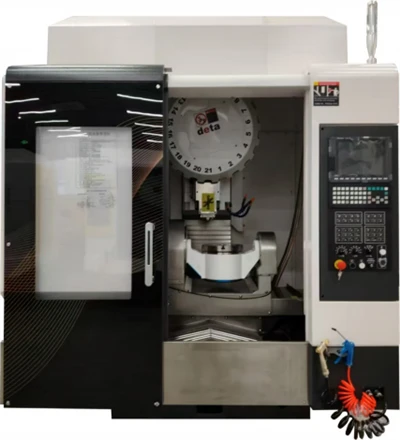
As a supplier of engraving and milling machines, I’ve seen firsthand how crucial it is for these machines to run stably during operation. Whether you’re working on a small DIY project or a large – scale industrial job, stability is key to getting high – quality results. So, let’s talk about how we can ensure the stability of an engraving and milling machine during its operation. Engraving and Milling Machine
1. Machine Installation and Foundation
First things first, proper installation is the foundation (pun intended) of a stable engraving and milling machine. When we deliver the machine to your site, it’s essential to set it up on a flat and solid surface. A wobbly or uneven foundation will cause vibrations during operation, which can mess up the precision of your work.
I remember once we installed a machine in a workshop where the floor was a bit uneven. The operator started complaining about rough edges and inaccurate cuts. We had to bring in some shims to level the machine properly. After that, the quality of the work improved significantly.
The installation area should also be free from excessive vibrations from other machinery. If your engraving and milling machine is placed right next to a heavy – duty press or a large drill, the vibrations from those machines can transfer to your engraver. It’s like trying to write neatly on a table that’s being shaken. We usually recommend leaving some space between different machines to minimize this interference.
2. Regular Maintenance
Maintenance is another big factor in ensuring stability. You wouldn’t drive a car for years without an oil change or a tire rotation, right? The same goes for engraving and milling machines.
We suggest a daily cleaning routine. After each use, wipe down the machine to remove dust, debris, and coolant residue. Dust can accumulate in the moving parts and cause them to wear out faster, leading to instability. For example, if dust gets into the ball screws, it can affect the smooth movement of the axes, resulting in jerky motions during operation.
Lubrication is also super important. The moving parts of the machine, like the guide rails and ball screws, need to be lubricated regularly. We usually provide a lubrication schedule with the machine. Using the right lubricant is crucial too. Using the wrong one can cause clogs or not provide enough protection, which can lead to instability.
Periodically, you should also check the machine’s belts and pulleys. Over time, belts can stretch or wear out, and pulleys can become loose. A loose belt can cause the machine to run unevenly, affecting the stability and precision of the engraving or milling process. If you notice any signs of wear or looseness, replace the belts or tighten the pulleys as needed.
3. Cutting Parameters
Getting the cutting parameters right is like finding the sweet spot for your engraving and milling machine. The cutting speed, feed rate, and depth of cut all play a role in the machine’s stability.
If the cutting speed is too high, the machine may vibrate because it’s working too hard. It’s a bit like trying to run a marathon at full – sprint speed. You’re going to end up losing your balance and falling. On the other hand, if the cutting speed is too low, the process will take forever, and you might not get a clean cut either.
The feed rate, which is how fast the material moves through the machine, also needs to be carefully adjusted. If the feed rate is too fast, the tool may not be able to cut properly, causing the machine to shake. If it’s too slow, you’re wasting time and may cause excessive wear on the tool.
The depth of cut is another critical parameter. Cutting too deep at once can put a lot of stress on the machine and the tool. It’s better to make multiple shallow cuts to maintain stability and get a better – quality finish. We usually provide some general guidelines on cutting parameters based on the type of material you’re working with and the tool you’re using, but you may need to do some trial – and – error to find the perfect settings for your specific job.
4. Tool Selection and Installation
The tool you choose can have a huge impact on the stability of the engraving and milling machine. Using a dull or damaged tool is a recipe for disaster. A dull tool will require more force to cut through the material, which can cause the machine to vibrate. It’s like trying to cut a piece of steak with a butter knife. You’re going to have a hard time, and it’s going to be a messy process.
When selecting a tool, consider the type of material you’re working with. Different materials require different types of tools. For example, cutting metal will need a very different tool than cutting wood. Make sure the tool is sharp and in good condition before you start using it.
Proper tool installation is also crucial. If the tool is not installed correctly, it can cause imbalance, which leads to vibrations. When installing the tool, follow the manufacturer’s instructions carefully. Double – check that the tool is tightened securely and is centered properly.
5. Environmental Factors
The environment where the engraving and milling machine operates can also affect its stability. Temperature and humidity can play a role. Extreme temperatures can cause the machine’s components to expand or contract, which can affect the alignment and stability of the machine.
High humidity can lead to corrosion, especially on metal parts. Corrosion can weaken the machine’s structure and cause instability. If your workshop has a wide range of temperatures or high humidity, you might want to consider installing climate – control systems to keep the environment stable.
Also, the air quality in the workshop is important. Dust and fumes can not only affect the machine but also pose health risks to the operators. Install proper ventilation systems to keep the air clean and prevent dust from accumulating on the machine.
6. Operator Training
Last but not least, having a well – trained operator is essential for ensuring the stability of the engraving and milling machine. An experienced operator knows how to handle the machine properly, adjust the parameters correctly, and recognize early signs of problems.
We offer training programs for our customers. During these programs, we teach operators about the machine’s functions, maintenance procedures, and safety precautions. We also provide hands – on training so that they can get comfortable with the machine.
A trained operator can make a big difference in the stability of the machine. They can avoid making common mistakes that can lead to instability, such as overloading the machine or using the wrong cutting parameters.
In conclusion, ensuring the stability of an engraving and milling machine during operation involves a combination of factors, from proper installation and maintenance to correct parameter settings and operator training. By taking these steps, you can make sure your machine runs smoothly and produces high – quality results.
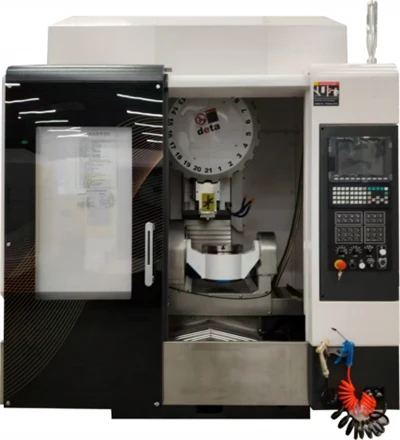
If you’re in the market for an engraving and milling machine or have any questions about ensuring its stability, don’t hesitate to reach out. We’re here to help you make the most of your investment and get the best performance from your machine.
Gantry Machining Center References:
- General knowledge from years of experience in the engraving and milling machine industry.
- Technical manuals provided by machine manufacturers for best – practice guidelines.
Taizhou Qiyang Trading Co., Ltd.
As one of the most professional engraving and milling machine manufacturers and suppliers in China, we’re featured by quality products and good price. Please rest assured to buy bulk engraving and milling machine for sale here and get quotation from our factory. Customized orders are welcome.
Address: Zhenhai Village, Binhai Town, Wenling City, Taizhou City, Zhejiang Province
E-mail: qycncmachine@outlook.com
WebSite: https://www.qycncmachine.com/
