If you’ve ever walked a construction site—whether it’s a residential high-rise going vertical, a bridge abutment taking shape, or a warehouse foundation being poured—you’ve likely spotted film faced formwork. It’s that smooth, slightly glossy plywood panel pressed into place to hold wet concrete until it cures, and its ability to make a concrete structure look uniform, free of defects, and ready for finishing is why it’s such a staple for contractors like me. For years, I’ve fielded the same question from project managers and estimators: “Can film faced formwork be customized?” Film Faced Formwork
I used to answer this with a simple “yes,” but over the past 12 years as a film faced formwork supplier, I’ve learned that answer comes with a lot of context. It’s not just about cutting a panel to a different length. Customization for film faced formwork means matching the unique needs of every project, because no two construction sites have the same constraints, timeline, or end goal. Let me break down what customization actually looks like in our line of work, how it works, and why it’s non-negotiable for most modern construction projects.
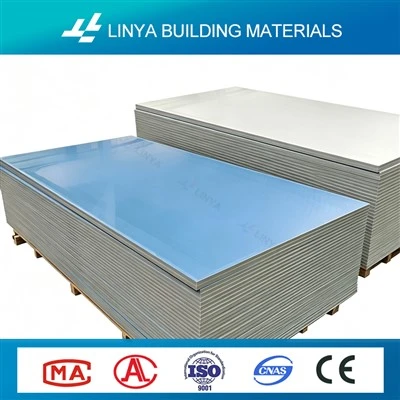
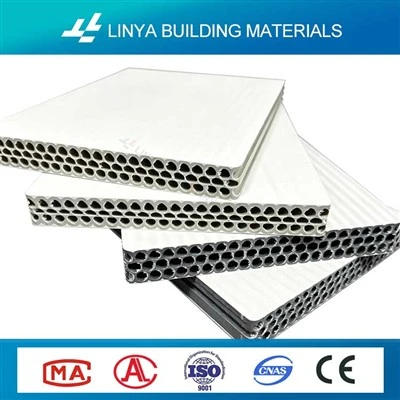
First, let’s get back to basics. Film faced formwork is made by bonding a high-quality plywood core (usually poplar, birch, or a mix of softwoods) with a thin, tough resin film on both sides. That film is what creates the smooth concrete finish, resists moisture, and prevents the wood from warping or deteriorating when exposed to wet concrete, detergents, or even heavy rain on a job site. The standard off-the-shelf product I keep in stock is 12mm, 15mm, or 18mm thick, 1220x2440mm (4×8 feet) panels. But here’s the thing: most projects don’t fit that one-size-fits-all mold.
Take the small residential development I serviced outside of Atlanta last year. The general contractor there wasn’t pouring generic concrete walls. Each of the 12 luxury townhomes had curved interior concrete columns, something standard flat formwork couldn’t pull off without leaving uneven seams or hard, ugly lines. They tried cutting standard 4×8 panels to size, but even with careful trimming, the edges splintered, and the resin film flaked off when bent around the curve—ruining the concrete finish and wasting half a sheet every time. They called me, frustrated, and asked if I could make formwork that curved cleanly without sacrificing durability. That’s when I realized: customization isn’t just about size. It’s about adjusting the core, the film type, and the edge treatment to meet a project’s specific requirements.
For that Atlanta job, we didn’t use a solid birch core. We used a thinner, layered core made from flexible poplar veneers, which could be bent to a 1.2-meter radius without cracking. We also swapped our standard high-density polyethylene (HDPE) film for a thinner, more flexible phenolic film that held up to the pressure of wet concrete but didn’t crease when shaped. We cut each panel to match the exact curve of the columns, and we added a reinforced edge tape that sealed the cut ends so water wouldn’t seep into the core during multiple concrete pours. The contractor used that formwork for 11 different pours, and when we stripped the concrete, the columns were smooth enough to polish without any grinding. That’s the kind of customization that makes a real difference, not just cutting a sheet shorter.
Another common customization request comes from large infrastructure projects, like the high-speed rail line being built in Texas right now. The project team needed formwork for 30-meter tall retaining walls, and standard panels were too heavy to lift with their site cranes. Even if they could lift them, stacking 5-meter tall standard panels would leave too many seams that would need to be grinded and finished later, adding weeks to the project timeline. The solution here wasn’t just a custom height—it was adjusting the thickness and core density to make the panels lighter but still strong enough to hold 12 meters of wet concrete pressure.
We worked with their engineering team to run load tests: we increased the plywood core’s density by 15% while keeping the resin film the same thickness, so the panels could handle the hydrostatic pressure of concrete without bending, but each panel was 20% lighter than standard. We also cut them to a 2.5-meter width, which meant fewer seams between panels—just enough to grind smooth, not replace an entire day of finishing work. That’s a perfect example of how customization is tied to project efficiency, not just aesthetics.
But not all customization is about shape or size. Some projects have specific durability requirements that off-the-shelf formwork can’t meet. For example, a mining operation in Western Canada needed formwork for concrete tunnels that would be exposed to harsh chemicals and constant vibration from heavy machinery. Our standard formwork is made to last 10-15 pours on average, but the mining team needed formwork that could survive 40+ pours in a space that was always damp and filled with fumes. We customized the film coating: instead of the standard HDPE, we used a cross-laminated phenolic film that’s resistant to chemical corrosion, and we added a dual-layer edge tape that sealed the panel completely, no gaps for moisture or chemicals to get in. That formwork is still in use, and after 18 months, it’s showing less wear than standard formwork would after 6 months in that environment.
Of course, there are limits to customization, and I always make sure to be upfront with contractors about that. The most important limit is lead time. If a project needs 1000 panels by the end of the week, custom work isn’t going to happen—we need at least 7-10 days for most specialty custom orders, because we’re adjusting the core, film, or edge treatment from our standard production line. I always tell clients to plan ahead, especially if they have non-standard requirements. Another limit is scale: we can make small runs for custom decorative projects, but for projects that need 10,000+ panels, we work with contractors to balance custom needs with cost. Sometimes that means a hybrid approach: standard panels with a custom edge treatment for a specific pour, rather than full custom panels. It’s not one size fits all, but that’s what our job is: to find the middle ground that works for the project.
I’ve seen too many contractors waste time and money trying to make standard formwork fit a custom project, and that’s why I make sure every client leaves our initial conversation knowing that customization is not just possible—it’s often the best choice. Let me tell you about a mistake I made early in my career to drive that point home. When I first started in this business, I had a client working on a commercial parking garage, and they insisted that standard 18mm panels would work. I didn’t push back, assuming they knew their project. Halfway through the concrete pours, the panels started warping under the weight of the concrete, leaving uneven walls that required thousands of dollars in repairs. That client didn’t come back, and I learned a lesson that stuck: being a good supplier means more than just selling what’s in stock. It means offering customized solutions that prevent those kinds of costly mistakes.
Today, our process for custom film faced formwork is straightforward. First, we have a consultation to get all the project details: what kind of concrete finish they need, how many pours they need, the size and shape of the formwork, any environmental constraints (like chemicals, temperature, or vibration), and their timeline. Then we run a quick set of tests on a sample panel to make sure it meets their requirements. Once they approve the sample, we produce the order in our controlled facility, using the same high-quality materials we use for our standard stock. We do a final inspection before shipping, so there are no surprises on the job site.
If you’re reading this and you’re a contractor, project manager, or estimator, and you’ve ever struggled with formwork that doesn’t fit your project, don’t settle for off-the-shelf. Custom film faced formwork is designed to solve exactly those kinds of problems: it makes your concrete look better, reduces finishing time, and saves you money in the long run by eliminating repairs and wasted materials. I’ve been in this business long enough to know that the best construction projects aren’t built with one-size-fits-all materials—they’re built with materials that are tailored to the job.
If you have a project that needs a custom solution, or if you just have questions about how custom film faced formwork can work for you, don’t hesitate to reach out for a consultation and procurement discussion. We’ll work with you to find the right solution for your needs, no matter how big or small the project is.
Bamboo Formwork References
- American Society for Testing and Materials (ASTM) International. Standard Specification for Formwork Plywood and Plastic Film-Faced Plywood for Concrete Construction. 2022.
- Construction Industry Institute (CII). Formwork Best Practices for Speed and Quality in Construction. 2021.
- National Ready Mixed Concrete Association (NRMCA). Hydrostatic Pressure Requirements for Formwork in Structural Concrete Pours. 2020.
- International Code Council (ICC). Building Code Requirements for Structural Concrete (ACI 318-19) Related to Formwork Design. 2019.
Shenzhen Linya Building Materials Co., Ltd.
We are one of the most professional film faced formwork manufacturers and suppliers in China, also support customized service. Welcome to buy bulk high quality film faced formwork in stock here from our factory. If you have any enquiry about free sample, please feel free to email us.
Address: Bantian International Center, No.5 Huancheng South Road, Ma’antang Community, Bantian Street, Longgang District, Shenzhen
E-mail: linya@formworksteelprop.com
WebSite: https://www.linyabuildingmaterials.com/
