As a supplier of Carbon Fiber + Aluminum Alloy stems, I often get asked about the maximum load capacity of these innovative products. In this blog post, I’ll delve into the factors that determine the load capacity, share some scientific insights, and explain why our stems are a reliable choice for various applications. Carbon Fiber+Aluminum Alloy Stem

Understanding the Basics of Carbon Fiber + Aluminum Alloy Stems
Before we discuss the load capacity, it’s important to understand what Carbon Fiber + Aluminum Alloy stems are and why they are so popular. These stems combine the lightweight and high – strength properties of carbon fiber with the durability and cost – effectiveness of aluminum alloy. Carbon fiber is known for its excellent strength – to – weight ratio, while aluminum alloy provides a stable and rigid structure.
The combination of these two materials results in a stem that is both lightweight and strong, making it ideal for applications where weight reduction and high performance are crucial, such as in the cycling industry. Whether it’s a professional racing bike or a high – end mountain bike, Carbon Fiber + Aluminum Alloy stems offer a great balance of performance and durability.
Factors Affecting the Maximum Load Capacity
The maximum load capacity of a Carbon Fiber + Aluminum Alloy stem is determined by several factors:
Material Properties
- Carbon Fiber: The quality and type of carbon fiber used play a significant role. High – modulus carbon fibers have a higher tensile strength, which means they can withstand greater forces without breaking. Different carbon fiber weaves, such as unidirectional or woven, also affect the strength and load – bearing capacity.
- Aluminum Alloy: The grade of aluminum alloy used in the stem is important. Alloys like 6061 – T6 are commonly used due to their good strength, corrosion resistance, and machinability. The thickness and design of the aluminum parts also contribute to the overall load capacity.
Design and Geometry
- Shape: The shape of the stem can affect its load – bearing capacity. For example, a stem with a more aerodynamic shape may have different stress distribution compared to a traditional rectangular stem.
- Wall Thickness: The thickness of the carbon fiber and aluminum alloy walls is a critical factor. Thicker walls generally increase the strength and load capacity, but they also add weight. Designers need to find the right balance between strength and weight.
- Mounting Points: The way the stem is attached to the handlebars and the fork affects its load capacity. A well – designed mounting system ensures that the load is evenly distributed across the stem.
Manufacturing Process
- Molding: The molding process used to create the carbon fiber part of the stem can impact its strength. A high – quality molding process ensures that the carbon fiber layers are properly aligned and bonded, which increases the overall strength of the stem.
- Joining of Materials: The method of joining the carbon fiber and aluminum alloy parts is crucial. A strong and reliable joint is necessary to transfer the load between the two materials effectively.
Scientific Testing and Standards
To determine the maximum load capacity of our Carbon Fiber + Aluminum Alloy stems, we conduct rigorous scientific testing. We follow industry standards such as those set by the CEN (European Committee for Standardization) and ASTM (American Society for Testing and Materials).
These standards specify the test methods and requirements for different types of bicycle components, including stems. For example, the CEN standard EN 14766 for bicycle stems requires that the stem must withstand a certain amount of static and fatigue loading without failure.
Our testing facilities are equipped with state – of – the – art equipment to simulate real – world conditions. We test the stems under different load scenarios, including vertical, horizontal, and torsional loads. By analyzing the stress and strain data collected during these tests, we can accurately determine the maximum load capacity of our stems.
Real – World Applications and Load Requirements
In the cycling industry, the load requirements for stems can vary depending on the type of riding.
Road Cycling
- In road cycling, the stem is mainly subjected to vertical and horizontal loads. The vertical load comes from the weight of the rider and the bike, while the horizontal load is generated during acceleration, braking, and cornering. A typical road cyclist may put a maximum load of around 1000 – 1500 Newtons on the stem during normal riding conditions.
- Our Carbon Fiber + Aluminum Alloy stems are designed to handle these loads with ease. The high – strength carbon fiber and aluminum alloy combination ensures that the stem remains stable and reliable, even under high – stress situations.
Mountain Cycling
- Mountain cycling presents more challenging load conditions. The stem is exposed to higher impact loads due to rough terrain, jumps, and drops. A mountain biker may experience peak loads of up to 2000 – 3000 Newtons or more during aggressive riding.
- Our stems are engineered to withstand these extreme loads. The robust design and high – quality materials ensure that the stem can handle the shocks and vibrations associated with mountain biking.
Advantages of Our Carbon Fiber + Aluminum Alloy Stems
- High Load Capacity: Our stems are designed to have a high maximum load capacity, making them suitable for a wide range of applications. Whether you’re a professional cyclist or a casual rider, you can trust our stems to provide reliable performance.
- Lightweight: Despite their high load capacity, our stems are lightweight. The combination of carbon fiber and aluminum alloy allows us to reduce the weight of the stem without sacrificing strength. This is especially important for cyclists who are looking to improve their bike’s performance.
- Durability: Our manufacturing process ensures that the stems are durable and long – lasting. The carbon fiber and aluminum alloy materials are resistant to corrosion and wear, which means that the stem will maintain its performance over time.
Conclusion
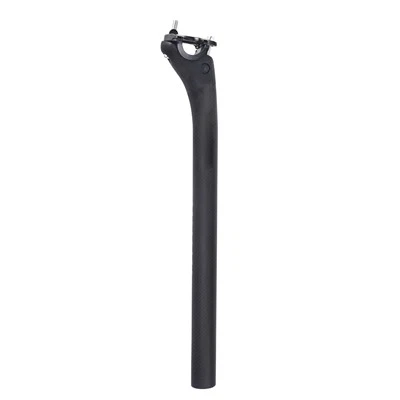
In conclusion, the maximum load capacity of a Carbon Fiber + Aluminum Alloy stem is determined by a combination of material properties, design, and manufacturing process. Our stems are designed to meet the highest industry standards and can handle the loads associated with different types of cycling.
Bike Stem If you’re in the market for a high – quality Carbon Fiber + Aluminum Alloy stem, we’d love to hear from you. Our team of experts can provide you with more information about our products and help you choose the right stem for your needs. Contact us to start a procurement discussion and take your cycling experience to the next level.
References
- CEN EN 14766:2017, Bicycles – Stems – Requirements and test methods
- ASTM F2268 – 19, Standard Specification for Bicycle Stems
Hunan Yecheng Technology Co., Ltd.
We’re well-known as one of the leading carbon fiber+aluminum alloy stem manufacturers and suppliers in China, also support customized service. Please feel free to buy high quality carbon fiber+aluminum alloy stem for sale here from our factory. For more information, contact us now.
Address: Changsha, Hunan Province, China.
E-mail: info@rxlsl.com
WebSite: https://www.rxlsl.com/
