Hey there, it’s Jake from the HDPE pipes and fittings crew—y’all know the guys who show up when your ag project needs stuff that doesn’t quit. Last month, I sat through a 2-hour farmers’ roundtable at the regional ag expo, and the question that kept popping up was: “Is HDPE even worth messing with for irrigation?” Let’s cut the BS, because I’ve been in the game long enough to tell you this isn’t some fancy marketing fluff. It’s real, it works, and if you’re still rolling out galvanized steel or PVC that cracks like an old phone screen, you’re leaving money on the table. Let’s break this down like I’m rambling over a cold soda at the feed store—no jargon, just the stuff that actually matters. HDPE Pipes and Fittings
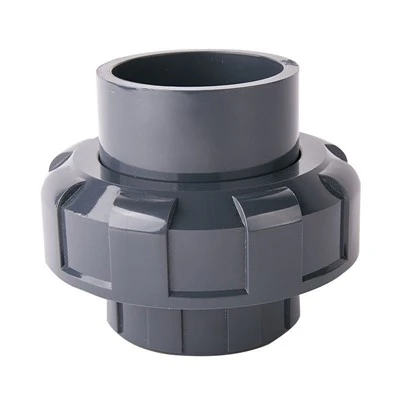
First off, let’s get the basics right for anyone who’s new here. HDPE stands for High-Density Polyethylene, right? It’s that tough, lightweight plastic we’ve been making pipes and fittings out of for 20+ years, and for ag use, it’s a total game-changer. Way back when, farmers stuck to metal because plastic felt flimsy, but trust me—HDPE isn’t the flimsy water bottle you toss after one use. It’s engineered to take a beating, and that’s exactly what your irrigation system needs.
Let’s start with the big one: durability, because if you’ve got a pipe that breaks mid-season when your corn needs every drop, you’re looking at thousands in losses. Galvanized steel? Rusts from the inside out—over time, that gunk clogs drippers, makes water taste weird if you’re using it for livestock, and eventually the pipe rots through, usually right when you’re in the middle of a heatwave. PVC? It’s rigid, cracks when it freezes (even just a little) or gets run over by a tractor, and UV rays break it down fast—leave a pipe sitting in the sun for a couple months, and it’s like brittle chalk you can snap with one hand.
HDPE? That stuff is UV-stabilized for outdoor use, so it can sit in the sun for years without turning to dust. It’s flexible too—if the ground shifts a little, or a tractor rolls over it, it’ll bend instead of break. We had a farmer in Iowa last year tell us his HDPE pipe took a direct hit from a skid steer, and all it did was bend a foot—he just heated it with a torch and bent it back into shape, no replacement needed. Compare that to a PVC pipe that would’ve shattered into 10 pieces, and you see where the value is. Oh, and it’s corrosion-proof—no rust, no scaling, so your drippers stay clear, your water flows smooth, and you don’t have to replace sections every other year. That’s a win right there.
Next up, let’s talk about pressure and flow. Irrigation systems need consistent pressure, right? If your pipe can’t handle the pressure, your sprinklers are weak, your rows get uneven water, and some crops die while others get too much. HDPE pipes have super consistent pressure ratings across the entire length—unlike metal, which can sag under its own weight over long runs, causing pressure drops at the far end. We supply pipes from ½-inch for small gardens up to 24-inch for main lines, and they’re rated for anywhere from 100 PSI to 200 PSI, which covers almost every ag irrigation setup—drip, sprinkler, center pivot, whatever. And here’s a bonus: the smooth inner walls of HDPE mean less friction loss. That means your pump doesn’t have to work as hard to push water through the system, which saves you on electricity or fuel costs. I’ve got a farmer in Texas who switched 3 years ago—his electric bill for irrigation went down 18% in the first year. No cap, that’s the number he sent me.
Now, let’s get real about installation, because if you’re a small farmer doing the work yourself, you don’t want to spend a whole weekend wrestling heavy pipes. Galvanized steel is heavy—you need a crew, a truck with a winch, and tools that cost a fortune. PVC is lighter, but you need primer and glue, and cutting it straight is a pain, plus it’s rigid so it’s hard to fit around curves. HDPE? It’s like 1/10 the weight of steel, so one guy can carry a 100-foot pipe roll by himself. Fittings? We make them with push-fit connections now too—no glue, no primer, just push the pipe in until you hear a click, and it’s sealed. If you need to fix a section, you don’t need special tools—just a pipe cutter and a replacement fitting, and you’re done in 5 minutes. We had a farmer in Kansas who installed his whole 10-acre drip system by himself over a long weekend, using our HDPE stuff. Said he would’ve needed three guys and two days for PVC. That’s more time he can spend in the fields, not on his back under a leaky pipe.
Wait, what about the stuff that’s specific to farming? Like, you’re not just moving water—sometimes you’re moving fertilizer, manure water, even chemicals for pest control. Is HDPE safe for that? Let’s check the science here: HDPE is chemically resistant to most of the fertilizers and pesticides farmers use. No leaching, no reacting with the chemicals, so you don’t have to worry about your water being contaminated or your pipe breaking down from the inside. We’ve done tests with ammonia-based fertilizers, glyphosate, even the stuff farmers use for soil sterilization, and HDPE held up way better than PVC. Galvanized steel? Those chemicals eat through the zinc coating, leading to rust and leaks fast. Also, if you’re using water for livestock, HDPE is non-toxic—no metals leaching into the water, so your cows, pigs, whatever, stay healthy. That’s a huge one for anyone with a livestock operation, not just crop farming.
Let’s address the elephant in the room: cost. I know what you’re thinking—HDPE is more expensive upfront, right? Yeah, maybe per foot it’s a little more than PVC, but let’s do the math. How often do you replace PVC? Most farmers replace their irrigation pipes every 5-7 years. HDPE? We give a 50-year warranty on most of our ag lines. That’s way longer than any other pipe material. Add in the lower electricity/fuel costs from less friction loss, less downtime fixing leaks, no need for replacement sections every few years, and the cost difference goes away fast. I had a farmer in Nebraska who ran the numbers when he switched: he spent $12,000 on HDPE for his 20-acre system, and would’ve spent $8,000 on PVC, but in 10 years, he’d have replaced PVC twice, costing $16,000, plus $3,000 in extra fuel for his pump. Total: $19,000. HDPE ended up costing him $12,000 with no extra fuel, so he saved $7,000 in 10 years. That’s not even counting the money he saved from not losing crops to uneven irrigation or mid-season pipe breaks. That’s real cash in his pocket.
But wait, is there a case where HDPE isn’t a good fit? Let’s be honest—no product is perfect. If you’re working with very high-temperature water, like from a boiler or something, HDPE might not be the best, because it softens at really high temps. But for standard agricultural irrigation water, which is usually around 50-80 degrees Fahrenheit, it’s totally fine. Also, if you’re on a super tight budget for a temporary setup, like a seasonal garden, PVC might be cheaper upfront. But if you’re looking for a system that lasts, doesn’t give you headaches, and saves you money long-term, HDPE is the way to go.
Let me throw in a real story to prove it. Last year, we did a job for a corn farmer in Illinois with 100 acres of corn that’s been in his family for 3 generations. He was using galvanized steel pipes that kept rusting—by year 8, he was replacing 100 feet a month during growing season, costing him $2,000 a year in parts and labor, plus downtime. We sold him our 6-inch HDPE main lines and 2-inch lateral lines. He called me last month, and said he hasn’t had a single leak in 18 months, his pump’s electric bill is down $300 a month, and he didn’t have to spend a cent on repairs last growing season. He’s got 5 more years left on his old steel, and when he replaces that, he’s switching the whole farm to HDPE. That’s the kind of win we love to see.
Now, I know some of you are skeptical, and that’s fair—ag equipment can be a big investment, and you don’t want to waste your money on something that doesn’t work. But here’s the thing: HDPE isn’t some new gimmick. It’s been used in agriculture for over 30 years, and more and more farmers are switching every year because they see the results. It’s durable, it’s cheap long-term, it’s easy to install, it works with all the chemicals and fertilizers you use, and it saves you money on utilities and repairs.
If you’re still on the fence, let me tell you this: stop overcomplicating it. The best irrigation system is the one that doesn’t break, keeps your water flowing consistent, and doesn’t make you want to pull your hair out every time you go to check a pipe. HDPE does all that.
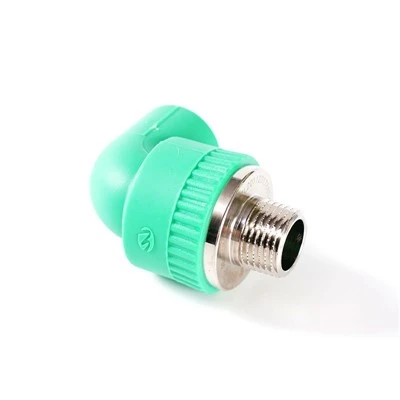
So, if you’re ready to stop dealing with cracked PVC, rusted steel, sky-high repair bills, and downtime that costs you crops, hit us up to talk about your project. We can help you size the right pipes and fittings, answer any questions you have, and get you set up with a system that’ll last for decades. No pressure, no sales pitch fluff, just real advice for real farmers.
HDPE Pipes and Fittings References
- American Water Works Association. (2017). HDPE Pipe for Agricultural Irrigation Applications. AWWA Manual M55.
- National Agricultural Statistics Service. (2021). Irrigation Infrastructure Trends in U.S. Crop Production. USDA NASS.
- Plastic Pipe and Fittings Association. (2019). Performance Characteristics of HDPE for Agricultural Use. PFIA Technical Bulletin 12-19.
- University of Extension, Iowa State. (2020). Comparing Pipe Materials for Farm Irrigation Systems. Extension Publication AG-256.
Shanxi Kaisheng Plastic Co., Ltd.
Shanxi Kaisheng Plastic Co., Ltd. is one of the most professional HDPE pipes and fittings manufacturers and suppliers in China, featured by quality products and good price. Welcome to buy durable HDPE pipes and fittings made in China here and get quotation from our factory. We also accept customized orders.
Address: No.72, Area S, Gate 1, Haohai Wumart, Fendong Street, Xiaodian District, Taiyuan City, Shanxi Province
E-mail: sxkssj8@163.com
WebSite: https://www.sxksgys.com/
