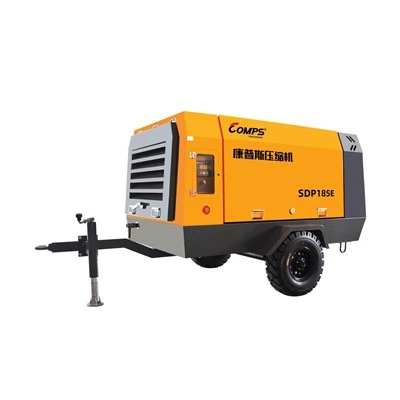
When it comes to selecting the right air compressor, it’s not just a matter of picking any unit off the shelf. As a seasoned air compressor supplier, I’ve witnessed firsthand the challenges customers face in making the right choice. In this blog post, I’ll share some key factors to consider when choosing an air compressor, drawing on my years of experience in the industry. Air Compressor
Understanding Your Needs
The first step in choosing the right air compressor is to understand your specific needs. Different applications require different types of air compressors, so it’s important to assess your requirements before making a purchase.
Air Demand
One of the most critical factors to consider is your air demand. This refers to the volume of air your tools or equipment require to operate effectively. Air demand is typically measured in cubic feet per minute (CFM). To determine your air demand, you’ll need to know the CFM requirements of each tool or piece of equipment you plan to use with the compressor.
For example, if you’re using a pneumatic nail gun that requires 2 CFM at 90 pounds per square inch (PSI) and a paint sprayer that requires 6 CFM at 40 PSI, your total air demand would be 8 CFM. It’s important to choose a compressor that can deliver at least this much air to ensure your tools operate smoothly.
Pressure Requirements
In addition to air demand, you’ll also need to consider the pressure requirements of your tools or equipment. Pressure is measured in PSI, and different tools require different pressures to function properly. For instance, a framing nailer might require 100–120 PSI, while a small airbrush might only need 20–30 PSI.
Make sure the compressor you choose can provide the necessary pressure for all the tools you plan to use. Some compressors offer adjustable pressure settings, which can be a great advantage if you need to use tools with different pressure requirements.
Duty Cycle
The duty cycle of an air compressor refers to the amount of time it can run continuously without overheating. It’s expressed as a percentage, such as 50% or 75%. For example, a compressor with a 50% duty cycle can run for 30 minutes out of every hour.
If you have long – term, continuous air needs, you’ll want to choose a compressor with a high duty cycle. On the other hand, if you only need the compressor for short, intermittent tasks, a lower duty cycle may be sufficient.
Types of Air Compressors
There are several types of air compressors available on the market, each with its own advantages and disadvantages. Understanding the differences between these types can help you make an informed decision.
Reciprocating Compressors
Reciprocating compressors, also known as piston compressors, are one of the most common types of air compressors. They work by using a piston – driven mechanism to compress air. These compressors are available in both single – stage and two – stage models.
Single – stage reciprocating compressors are typically used for light – duty applications, such as powering small pneumatic tools in a home workshop. They are relatively inexpensive and easy to maintain. Two – stage reciprocating compressors, on the other hand, are more powerful and are suitable for heavy – duty industrial applications. They can deliver higher pressures and larger volumes of air.
Rotary Screw Compressors
Rotary screw compressors are designed for continuous, heavy – duty use. They work by using two rotating screws to compress air. These compressors are known for their high efficiency, reliability, and quiet operation. They are commonly used in industrial settings where a large volume of compressed air is required, such as manufacturing plants and automotive workshops.
However, rotary screw compressors are generally more expensive to purchase and maintain than reciprocating compressors. They also require more space due to their larger size.
Centrifugal Compressors
Centrifugal compressors are high – capacity compressors that are used in large – scale industrial applications. They work by using a high – speed impeller to accelerate air and then converting the kinetic energy into pressure energy. These compressors are capable of delivering extremely large volumes of compressed air at high pressures.
Centrifugal compressors are very efficient but are also very expensive and require a significant amount of space and infrastructure. They are typically used in industries such as oil and gas, power generation, and chemical processing.
Additional Considerations
In addition to air demand, pressure requirements, duty cycle, and compressor type, there are a few other factors you should consider when choosing an air compressor.
Noise Level
If you’ll be using the compressor in a residential area or a noise – sensitive environment, the noise level of the compressor is an important consideration. Some compressors are designed to operate quietly, while others can be quite loud. Look for compressors with low – noise ratings if noise is a concern.
Portability
If you need to move the compressor around frequently, portability is a key factor. Some compressors are lightweight and come with wheels or handles, making them easy to transport. Others are large and stationary, and are best suited for fixed – location applications.
Energy Efficiency
Energy efficiency is not only important for reducing your operating costs but also for environmental reasons. Look for compressors that are designed to be energy – efficient. These compressors may have features such as variable speed drives or automatic shut – off functions.
Maintenance Requirements
Proper maintenance is essential for the long – term performance and reliability of your air compressor. Different types of compressors have different maintenance requirements. For example, reciprocating compressors may require more frequent oil changes and valve adjustments, while rotary screw compressors may need regular filter changes.
Be sure to consider the maintenance requirements of the compressor you choose and make sure you’re willing and able to perform the necessary maintenance tasks.
Making the Right Choice
After considering all these factors, you should have a clear idea of what type of air compressor is right for you. Take the time to research different models and brands, and read customer reviews to get an idea of their performance and reliability.
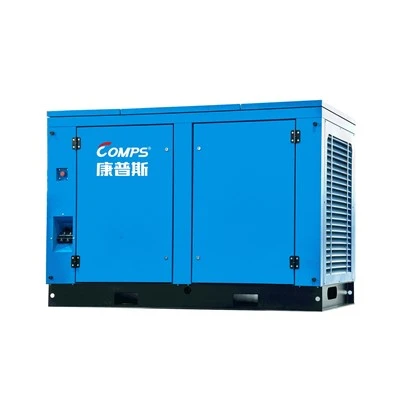
It’s also a good idea to consult with a professional air compressor supplier. As an air compressor supplier, I have the experience and knowledge to help you choose the right compressor for your needs. I can provide you with detailed information about different models, answer your questions, and even offer on – site demonstrations if needed.
Electric Air Compressor If you’re in the market for an air compressor, don’t hesitate to reach out. We can work together to find the perfect solution for your air compression needs. Whether you’re a hobbyist looking for a small compressor for your home workshop or an industrial business in need of a high – capacity compressor, I’m here to help. Contact us today to start the conversation and take the first step towards finding the right air compressor for you.
References
- "Compressed Air Systems Handbook", by the Compressed Air & Gas Institute.
- "The Basics of Air Compressors", published by the American Society of Mechanical Engineers.
- Industry reports and whitepapers on air compressor technology and applications.
Comps Compressor (Shijiazhuang) Co., Ltd.
As one of the most professional air compressor manufacturers and suppliers in China, we’re featured by quality products and good price. Please rest assured to buy customized air compressor made in China here from our factory. Also, pricelist is available.
Address: No.172, Nanche Road, Shijiazhuang Equipment Manufacturing Industrial Park, Luancheng District, Shijiazhuang City, Hebei Province
E-mail: kpswmb@kangpusi.com
WebSite: https://www.comps-compressor.com/
