Hey there! I’m a supplier of bolt tensioners, and I know how frustrating it can be when these useful tools start acting up. In this blog, I’ll share some tips on how to troubleshoot a malfunctioning bolt tensioner. Bolt Tensioner
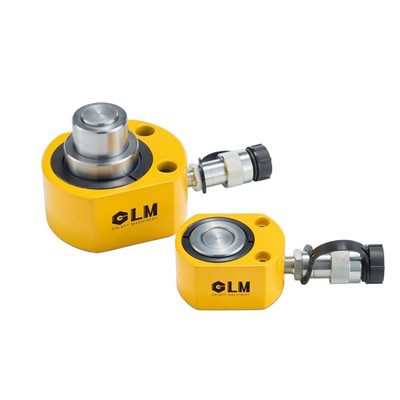
1. Understanding the Basics
First off, let’s quickly go over what a bolt tensioner does. It’s a tool used to apply precise tension to bolts, ensuring a secure and consistent connection. When it malfunctions, it can lead to issues like loose bolts or uneven tension, which can compromise the integrity of the structure or machinery it’s used on.
2. Initial Checks
When you notice that your bolt tensioner isn’t working right, the first thing to do is some simple visual checks.
-
Inspect the Hoses and Fittings
- Check for any visible damage to the hoses, like cuts, abrasions, or bulges. A damaged hose can lead to hydraulic fluid leaks, which will affect the performance of the tensioner. Also, make sure all the fittings are tightly connected. Loose fittings can cause fluid to escape and reduce the pressure in the system.
- For example, if you see a small cut in the hose, it might be causing a slow leak. You can try tightening the fittings around that area first. If the leak persists, you’ll probably need to replace the hose.
-
Look at the Gauge
- The gauge on the bolt tensioner shows the pressure being applied. If the gauge isn’t showing the correct pressure or is fluctuating wildly, there could be a problem. First, check if the gauge is properly attached. Sometimes, it can come loose during use.
- If the gauge is attached correctly but still not working right, it might be a faulty gauge. In this case, you’ll need to replace it. You can usually find replacement gauges that are compatible with your specific tensioner model.
3. Hydraulic System Issues
The hydraulic system is a crucial part of a bolt tensioner, and problems here are common causes of malfunctions.
-
Check the Hydraulic Fluid
- Low hydraulic fluid levels can cause the tensioner to lose power. Open the reservoir and check the fluid level. If it’s low, add the recommended hydraulic fluid. Make sure to use the right type of fluid specified by the manufacturer.
- Also, check the fluid for any signs of contamination. If the fluid looks dirty or has particles in it, it can clog the hydraulic system. In this case, you’ll need to drain and replace the fluid.
- For example, if you’ve been using the tensioner in a dusty environment, the fluid might get contaminated. You can use a fine – mesh filter to strain the new fluid as you’re adding it to the reservoir.
-
Air in the System
- Air bubbles in the hydraulic system can cause the tensioner to operate erratically. To bleed the air out, follow the manufacturer’s instructions. Usually, this involves opening a bleed valve and slowly pumping the tensioner until all the air is released.
- It’s important to be careful when bleeding the air. If you do it too quickly, you might lose a lot of hydraulic fluid. And if you don’t bleed all the air out, the tensioner won’t work properly.
4. Tensioner Cylinder Problems
The tensioner cylinder is where the actual tensioning force is generated, and issues here can be a real headache.
-
Seal Leaks
- The seals in the cylinder prevent hydraulic fluid from leaking out and ensure proper pressure. If you notice fluid leaking around the cylinder, it’s likely a seal problem. You can try tightening the cylinder nuts slightly, but if the leak persists, you’ll need to replace the seals.
- Replacing the seals usually requires some basic mechanical skills. You’ll need to disassemble the cylinder carefully, remove the old seals, and install new ones. Make sure to clean the cylinder thoroughly before installing the new seals to avoid any debris getting stuck.
-
Cylinder Binding
- Sometimes, the cylinder can bind, which means it doesn’t move smoothly. This can be caused by dirt, debris, or misalignment. First, try cleaning the outside of the cylinder and the piston. Use a clean cloth and some solvent to remove any grime.
- If cleaning doesn’t work, you may need to check for misalignment. A small misalignment can cause the cylinder to bind. You might need to adjust the mounting of the tensioner to fix this.
5. Power Source Issues
If your bolt tensioner is powered by an electric or pneumatic source, there could be problems with the power supply.
-
Electric Tensioners
- Check the power cord for any damage. A frayed or cut cord can cause electrical problems. Also, make sure the tensioner is properly plugged into a working outlet. If the outlet is controlled by a switch, make sure the switch is turned on.
- If the tensioner still doesn’t work, there could be an internal electrical problem. In this case, it’s best to contact a professional electrician or the manufacturer’s technical support.
-
Pneumatic Tensioners
- For pneumatic tensioners, check the air supply. Make sure the air compressor is working properly and that the air pressure is within the recommended range. A low air pressure can cause the tensioner to operate poorly.
- Also, check the air hoses for any kinks or blockages. A kinked hose can restrict the air flow and reduce the performance of the tensioner.
6. After Troubleshooting
Once you’ve fixed the issue with your bolt tensioner, it’s a good idea to do some tests. Put the tensioner through a few cycles of operation to make sure it’s working properly. Check the tension applied to the bolts and compare it to the specifications.

Also, it’s important to keep a maintenance log. Write down what the problem was, how you fixed it, and when you did the repairs. This will help you keep track of the tensioner’s performance and will be useful if you encounter similar problems in the future.
Contact Us for Your Bolt Tensioner Needs
Hydraulic Equipments If you’re having trouble troubleshooting your bolt tensioner or if you’re looking to purchase a new one, don’t hesitate to reach out. We’ve got a wide range of high – quality bolt tensioners that can meet your needs. Whether you’re in the construction, manufacturing, or any other industry that requires precise bolt tensioning, we’re here to help. Contact us, and let’s discuss how we can provide you with the best solutions for your bolt tensioning requirements.
References
- Manufacturer’s manuals of bolt tensioners
- Industry standards on hydraulic tool maintenance
Taizhou Galaxy Machinery Co., Ltd.
Taizhou Galaxy Machinery Co., Ltd. is one of the leading bolt tensioner manufacturers and suppliers in China. We warmly welcome you to wholesale cheap bolt tensioner for sale here from our factory. Good service and reasonable price are available.
Address: 18 Jiulong Road, Jiulong Town, Hailing District, Taizhou City, Jiangsu Province,China
E-mail: sales03@galaxy-machinery.com
WebSite: https://www.galaxy-machinery.com/
