Do hybrid solar inverters require maintenance? Hybrid Solar Inverters
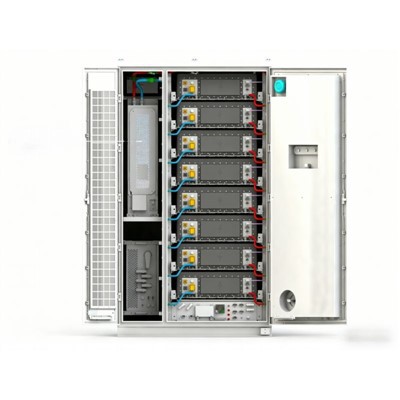
As a supplier of hybrid solar inverters, I often encounter this question from both potential buyers and existing users. In today’s blog, I aim to delve into the topic comprehensively and provide you with a clear understanding of the maintenance requirements for hybrid solar inverters.
First, let’s briefly understand what hybrid solar inverters are. Hybrid solar inverters are advanced devices that combine the functions of a traditional solar inverter and a battery charger. They can convert the direct current (DC) generated by solar panels into alternating current (AC) for home or business use. Additionally, they can charge batteries during periods of excess solar generation and discharge the stored energy when solar production is low or non – existent, such as at night or on cloudy days.
The Basics of Hybrid Solar Inverters’ Low – Maintenance Design
One of the key selling points of hybrid solar inverters is their generally low – maintenance nature. Modern hybrid solar inverters are engineered with high – quality components and advanced technologies to ensure long – term, reliable operation.
Most of the electronic components inside a hybrid solar inverter are solid – state. Solid – state components have no moving parts, which significantly reduces the chances of mechanical wear and tear. For example, the power conversion circuitry, which consists of integrated circuits and power semiconductors, is designed to be highly stable over time. These components are often sealed to protect them from dust, moisture, and other environmental factors. As a result, in normal operating conditions, the inverter can function properly for many years without major issues.
The cooling systems in hybrid solar inverters are also built for durability. Many inverters use either passive or active cooling methods. Passive cooling relies on heat sinks and natural convection to dissipate heat, while active cooling may involve fans. Fans used in high – quality inverters are designed to have a long lifespan and are often equipped with features to prevent dust accumulation and overheating.
Recommended Regular Checks
Although hybrid solar inverters are low – maintenance, some regular checks are still recommended to ensure their optimal performance.
Visual Inspections
Performing a visual inspection once a month is a simple yet effective way to monitor the inverter’s condition. Check for any signs of physical damage, such as cracks in the casing, loose connections, or signs of overheating (such as discoloration). Ensure that the inverter is properly mounted and that there are no obstructions around it that could block ventilation.
Monitoring System Readings
Most hybrid solar inverters come with a monitoring system that allows you to track their performance remotely. Regularly check the system readings to ensure that the inverter is operating within the expected parameters. Look for any abnormal fluctuations in power output, voltage, or temperature. For example, if the power output suddenly drops significantly, it could indicate a problem with the inverter or the connected solar panels.
Cleaning
The exterior of the inverter may accumulate dust and dirt over time. Use a soft, dry cloth to clean the casing of the inverter every few months. Avoid using abrasive materials or harsh chemicals, as they can damage the surface of the inverter. If the inverter has ventilation openings, make sure they are not blocked by dust or debris, as proper ventilation is crucial for preventing overheating.
Less Frequent Maintenance Tasks
In addition to the regular checks, there are some less frequent maintenance tasks that may be required over the lifespan of the hybrid solar inverter.
Software Updates
Just like any other electronic device, hybrid solar inverters may require software updates from time to time. These updates can improve the inverter’s performance, add new features, or fix any bugs. Manufacturers usually release software updates periodically, and it is important to follow their instructions to install these updates properly. Software updates are typically a hassle – free process and can often be done remotely.
Battery Maintenance (if applicable)
If your hybrid solar inverter is connected to a battery storage system, the battery itself will require some maintenance. Batteries have a limited lifespan and need to be properly cared for to ensure optimal performance. This may include checking the battery’s state of charge regularly, monitoring its temperature, and performing equalization charges as recommended by the battery manufacturer. Additionally, the battery terminals should be inspected for corrosion and cleaned if necessary.
Factors Affecting Maintenance Requirements
The maintenance requirements for hybrid solar inverters can vary depending on several factors.
Environmental Conditions
If the inverter is installed in an area with harsh environmental conditions, such as high humidity, extreme temperatures, or high levels of dust and pollution, it may require more frequent maintenance. For example, inverters installed in coastal areas may be more prone to corrosion due to the high salt content in the air. In such cases, additional protective measures may be needed, such as using protective enclosures or performing more frequent cleaning.
Usage Pattern
The way the inverter is used also affects its maintenance needs. If the inverter is operating at full capacity for long periods of time, it may experience more wear and tear compared to an inverter that is used less intensively. For instance, in a commercial setting where the solar power demand is high throughout the day, the inverter may need more careful monitoring and occasional maintenance.
The Importance of Professional Maintenance
While many of the maintenance tasks for hybrid solar inverters can be carried out by the users themselves, it is also advisable to have the inverter professionally serviced at least once every few years. Professional technicians have the expertise and equipment to perform in – depth inspections, diagnose potential problems, and carry out any necessary repairs or replacements.
A professional maintenance service can include a comprehensive electrical safety check, a performance evaluation of the inverter, and a thorough inspection of all internal components. This can help identify any hidden issues before they become major problems and ensure the continued safe and efficient operation of the inverter.
Conclusion
In conclusion, hybrid solar inverters are generally low – maintenance devices, but they do require some level of attention to ensure optimal performance and longevity. Regular visual inspections, monitoring system readings, and basic cleaning are simple tasks that can be carried out by users. Less frequent tasks such as software updates and battery maintenance (if applicable) also need to be addressed. Environmental conditions and usage patterns can influence the maintenance requirements, and professional maintenance services are recommended every few years.
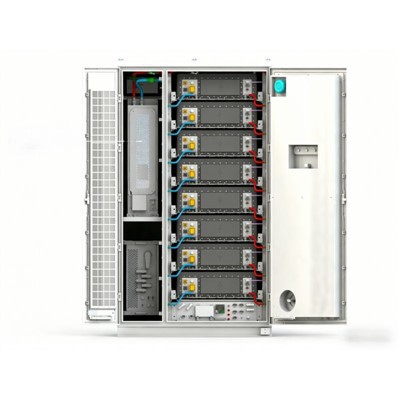
If you are considering purchasing hybrid solar inverters or have any questions about the maintenance of your existing inverters, I encourage you to reach out to us. Our team of experts is dedicated to providing you with high – quality products and comprehensive after – sales support. We can help you choose the right inverter for your needs and offer guidance on proper maintenance practices. Contact us today to start a discussion about your solar energy requirements.
UL PV Wire References
- Handbook of Photovoltaic Science and Engineering, Second Edition, by Antonio Luque and Steven Hegedus
- Solar Energy Engineering: Processes and Systems, 2nd Edition, by Soteris A. Kalogirou
Tianjin Xilingke New Energy Technology Co., Ltd.
Address: Suite 2601, Tower B, Wanghai International, Haihe East Road, Hebei District, Tianjin, China.
E-mail: robin@sinelinkev.com
WebSite: https://www.sinelinkenergy.com/
