Hey there, folks! I’m a supplier of infrared leak detectors, and I’m stoked to share with you how to operate one of these nifty gadgets. Infrared leak detectors are super useful tools, whether you’re in the HVAC industry, a maintenance pro, or just someone who wants to keep their home or workplace in tip – top shape. Infrared Leak Detector
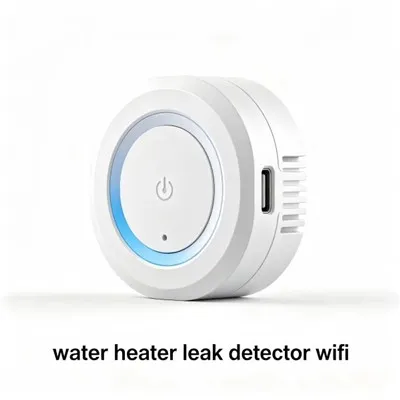
Getting Familiar with Your Infrared Leak Detector
First things first, when you get your hands on an infrared leak detector, take a few minutes to look it over. Check out the different parts. There’s usually a display screen, which shows you the readings. It might look a bit confusing at first, but don’t worry, it’ll make sense soon enough. There are also buttons for powering it on and off, adjusting settings, and maybe some other functions depending on the model.
The detector has an infrared sensor. This is the part that does the real work. It can detect leaks by sensing the infrared radiation patterns that are disrupted when there’s a leak. The sensor is usually at the end of the detector, kind of like the nose of a dog that sniffs out trouble!
Pre – operation Checks
Before you start using the detector, you need to do a few pre – operation checks. Make sure the batteries are charged or that it’s plugged in properly if it’s a corded model. You don’t want it to die on you in the middle of a job.
Also, clean the sensor. Dust and dirt can interfere with the sensor’s ability to detect leaks accurately. Just use a soft, dry cloth to gently wipe the sensor. And don’t press too hard; you don’t want to damage it.
Next, set the appropriate environment settings. If you’re using it indoors or outdoors, the temperature and humidity can affect the readings. Most detectors allow you to adjust for these factors. Just use the buttons on the device to set the temperature and humidity levels according to what you’ve measured in the area.
Calibrating the Detector
Calibration is a crucial step. It ensures that the detector is giving you accurate readings. Most infrared leak detectors come with a calibration procedure in the user manual. Usually, you’ll need to place the detector in a known leak – free environment. This could be a sealed container or a specific area in your workshop that you know is leak – free.
Once you’ve placed the detector in the right spot, follow the on – screen prompts to calibrate it. It might take a few minutes, but it’s worth it. If the detector isn’t calibrated correctly, you could end up with false readings, which would be a real pain in the neck.
Operating the Detector
Now that you’ve done all the prep work, it’s time to start using the detector. Turn it on, and wait for it to boot up. You’ll see the display screen light up, and it might show some initial readings or a welcome message.
Hold the detector steadily. You don’t want to be shaking it around too much because that can affect the readings. Move it slowly across the area you want to check for leaks. For example, if you’re checking an air duct, start at one end and move the detector along the length of the duct, making sure to cover all the seams and joints.
As you move the detector, keep an eye on the display screen. If there’s a leak, the readings will change. You might see a spike in the numbers or a different color indicator on the screen. Some detectors also make a beeping sound when they detect a leak.
Understanding the Readings
The readings on the display screen can be tricky to understand at first. But most detectors have a simple scale. A low reading usually means there’s no leak or a very small, insignificant leak. As the reading gets higher, it indicates a larger leak.
Some detectors use different colors to represent different levels of leaks. For example, green might mean no leak, yellow could mean a minor leak, and red would indicate a major leak. Make sure to refer to the user manual to understand exactly what the readings and colors mean for your specific model.
Troubleshooting
Sometimes, things might not go as smoothly as you’d like. If you’re getting inconsistent readings or false alarms, there are a few things you can do. First, check the sensor again. Maybe it got dirty during the operation, and you need to clean it.
Also, double – check the environment settings. If the temperature or humidity has changed significantly since you calibrated the detector, it could affect the readings. You might need to recalibrate it.
If the problem persists, it could be a hardware issue. In that case, it’s a good idea to contact the manufacturer’s customer support. They can help you diagnose the problem and figure out if you need to get the detector repaired or replaced.
Post – operation Care
After you’re done using the detector, take good care of it. Turn it off and unplug it if it’s a corded model. Store it in a cool, dry place. You don’t want it to get exposed to extreme temperatures or moisture, as that can damage the internal components.
Clean the detector again, especially the sensor. This will help keep it in good working condition for the next time you need to use it.
Why Our Infrared Leak Detectors Are Great
As a supplier, I can tell you that our infrared leak detectors are top – notch. They’re made with high – quality materials, so they’re durable and can withstand regular use. The sensors are super sensitive, which means they can detect even the smallest leaks.
Our detectors are also user – friendly. The display screens are easy to read, and the buttons are intuitive to use. We provide detailed user manuals, and our customer support team is always ready to help if you have any questions.
Contact Us for Purchasing
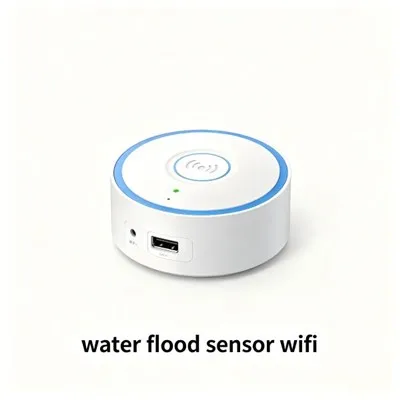
If you’re in the market for an infrared leak detector, we’d love to hear from you. We offer competitive prices and great deals on bulk purchases. Whether you’re a professional contractor or a DIY enthusiast, our detectors are a great addition to your toolkit. Just reach out to us to discuss your needs and start the purchasing process.
References
- Manufacturer’s user manuals for infrared leak detectors
- Industry best practices for using infrared leak detection equipment
Ultrasonic Tank Level Sensor So, there you have it, folks! That’s how you operate an infrared leak detector. I hope this blog post has been helpful. If you have any more questions, feel free to drop me a line.
Shenzhen Fineherc Technology Co., Ltd.
As one of the most experienced infrared leak detector suppliers in China, we’re featured by quality products and low price. Please feel free to buy discount infrared leak detector made in China here from our factory. Welcome to view our website for more information.
Address: 5th Floor, Building D, No. 39, Keji East Road, Torch Development Zone, Zhongshan City,China
E-mail: fineherc@hotmail.com
WebSite: https://www.fineherc.com/
